
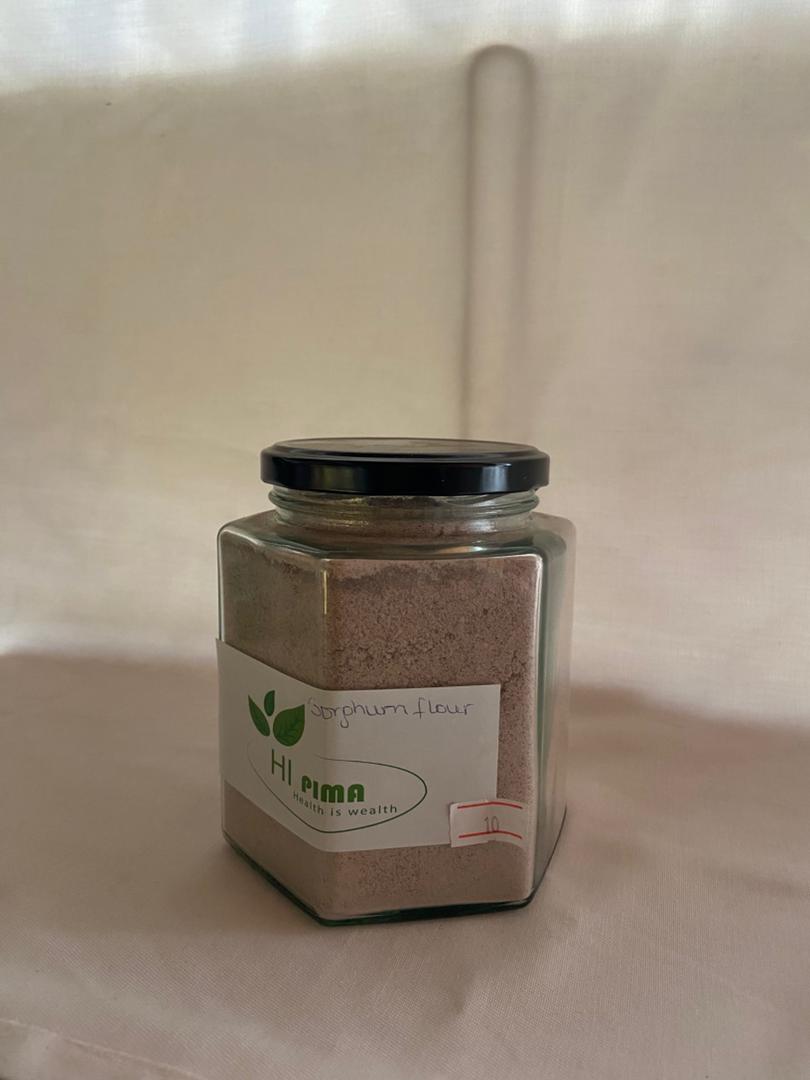
1,000 Fr
Sorghum flour is a naturally gluten-free, nutrient-rich flour made from whole sorghum grains. With a mild, slightly sweet flavor, it’s ideal for baking, porridges, and flatbreads, offering high fiber, protein, and essential minerals.
Description
1. General Overview
Sorghum flour is a nutritious, gluten-free flour made from whole-grain sorghum (Sorghum bicolor), one of the world’s oldest cultivated cereal grains. Native to Africa and India, sorghum is now grown globally and prized for its drought tolerance and health benefits. The flour has a mild, slightly sweet, earthy flavor and is commonly used in gluten-free baking, porridges, flatbreads, and traditional dishes.
2. Botanical & Agricultural Information
-
Botanical Name: Sorghum bicolor
-
Common Names: Jowar flour (India), Sorgho, Milo flour
-
Plant Family: Poaceae (grass family)
-
Origin: Africa
-
Main Producers: Nigeria, India, Sudan, USA, Ethiopia
3. Production Process
-
Harvesting: Mature sorghum grains are harvested from tall, cane-like plants.
-
Cleaning: Grains are cleaned to remove husks, dust, and impurities.
-
Milling: Whole or dehulled grains are ground into a fine or medium flour.
-
Packaging: Flour is packed in moisture-proof containers to preserve freshness.
4. Physical Characteristics
-
Color: Off-white to pale beige
-
Texture: Fine, smooth, slightly gritty depending on milling
-
Flavor: Mild, slightly nutty or earthy with a hint of sweetness
-
Aroma: Subtle, grain-like aroma
5. Culinary Uses
Sorghum flour is versatile and commonly used in both traditional and modern gluten-free cooking:
-
Gluten-Free Baking: Ideal for cakes, muffins, pancakes, cookies, and brownies
-
Flatbreads: Used in African injera, Indian jowar roti, and porridge
-
Blended Flours: Mixed with rice, almond, or tapioca flour for better texture
-
Thickening Agent: For soups, sauces, and stews
-
Beverages: Used in traditional African fermented drinks
Tip: Combine with binders like xanthan gum or egg to improve structure in baking.
6. Nutritional Profile (per 100g)
-
Calories: ~329 kcal
-
Protein: ~10–11g
-
Fat: ~3g
-
Carbohydrates: ~72g
-
Fiber: ~6–8g
-
Iron: ~4.4 mg
-
Calcium, Magnesium, Potassium, Phosphorus: Present in significant amounts
-
Antioxidants: Rich in polyphenols, including tannins and flavonoids
-
Gluten-Free: Naturally safe for people with celiac disease or gluten sensitivity
7. Health Benefits
-
Digestive Health: High fiber content promotes gut health and regularity
-
Blood Sugar Balance: Low glycemic index helps manage blood sugar levels
-
Heart Health: Rich in antioxidants and magnesium, supports cardiovascular function
-
Energy & Satiety: Complex carbs provide sustained energy and satiety
-
Bone Strength: Good source of phosphorus and calcium for bone health
8. Storage & Shelf Life
-
Storage: Keep in a cool, dry place in an airtight container
-
Refrigeration (optional): Extends shelf life, especially in warm climates
-
Shelf Life: 3 to 6 months at room temperature; longer if refrigerated or frozen
9. Sustainability
Sorghum is considered an eco-friendly crop due to:
-
Drought Resistance: Thrives with minimal water
-
Low Input Farming: Grows well in poor soils without heavy fertilization
-
Biodiversity Preservation: Ideal for crop rotation and sustainable farming practices
Additional information
| 100gr | sorghum flour |
|---|


