
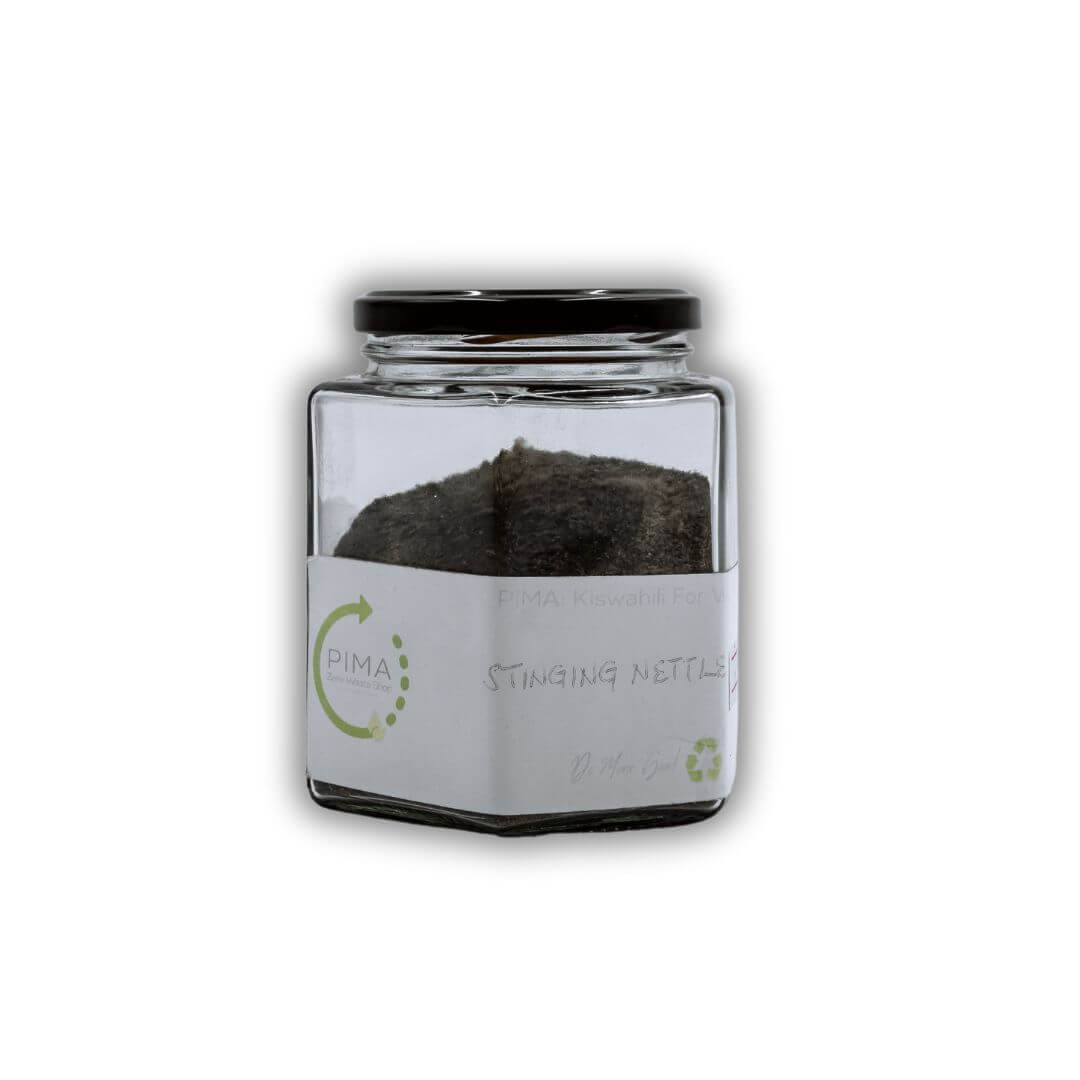
1,800 Fr
A nutrient-rich medicinal plant known for its anti-inflammatory and detoxifying properties. Stinging nettle is commonly used in teas, soups, and natural remedies to support joint health, boost iron levels, and promote overall vitality.
Description
Stinging Nettle (Urtica dioica) — Comprehensive Information
Botanical Description
-
Family: Urticaceae
-
Plant Type: Perennial flowering herb
-
Appearance: Stinging nettle grows up to 1–2 meters tall, with serrated, heart-shaped leaves covered in tiny, hollow, stinging hairs (trichomes). These hairs inject histamine, formic acid, and other irritating chemicals when touched, causing a burning or stinging sensation on the skin.
-
Habitat: Commonly found in temperate regions worldwide, especially in nitrogen-rich soils near rivers, forests, roadsides, and disturbed areas.
Nutritional Profile
Stinging nettle leaves and stems are highly nutritious, containing:
-
Vitamins: A, C, K, several B vitamins (including folate)
-
Minerals: Iron, calcium, magnesium, potassium, manganese, zinc
-
Macronutrients: Protein (notably high for a leafy green), fiber
-
Other Bioactive Compounds: Flavonoids, carotenoids, chlorophyll, tannins, polysaccharides
Traditional and Culinary Uses
-
Traditional Medicine: Used for centuries in various cultures as a remedy for arthritis, allergies, urinary tract problems, anemia, and inflammation.
-
Culinary: After cooking or drying, which neutralizes the stinging hairs, nettle is edible and often used in soups, teas, pesto, and sautés. It has a mild, spinach-like flavor. Fresh nettle tea is a popular herbal infusion.
-
Other Uses: Fibers from nettle stems have been historically used for making textiles and ropes.
Health Benefits
-
Anti-inflammatory: Helps reduce joint pain and inflammation, commonly used in managing arthritis and rheumatism.
-
Antioxidant Properties: Neutralizes free radicals, potentially lowering oxidative stress.
-
Allergy Relief: May alleviate hay fever and seasonal allergies by modulating the immune response.
-
Supports Urinary Health: Acts as a diuretic and supports kidney function, often used for benign prostatic hyperplasia (BPH) symptoms.
-
Rich in Iron: Helpful in preventing and treating anemia.
-
Skin and Hair Health: Traditionally used in topical treatments for eczema, acne, and to stimulate hair growth.
Preparation and Consumption
-
Handling: Wear gloves when harvesting to avoid stings. Cooking, drying, or freezing destroys the stinging chemicals.
-
Forms: Fresh or dried leaves, nettle tea, tinctures, capsules, topical creams.
-
Dosage: Varies depending on the form and intended use; consult a healthcare provider for therapeutic doses.
Precautions and Side Effects
-
Skin Irritation: Direct contact with fresh leaves causes painful stings and rash.
-
Allergic Reactions: Rare but possible in sensitive individuals.
-
Drug Interactions: May interact with blood thinners, blood pressure medications, or diuretics.
-
Pregnancy and Breastfeeding: Insufficient evidence; best to consult a healthcare professional.
Additional information
| 100gr | stinging nettle |
|---|


