
500 Fr
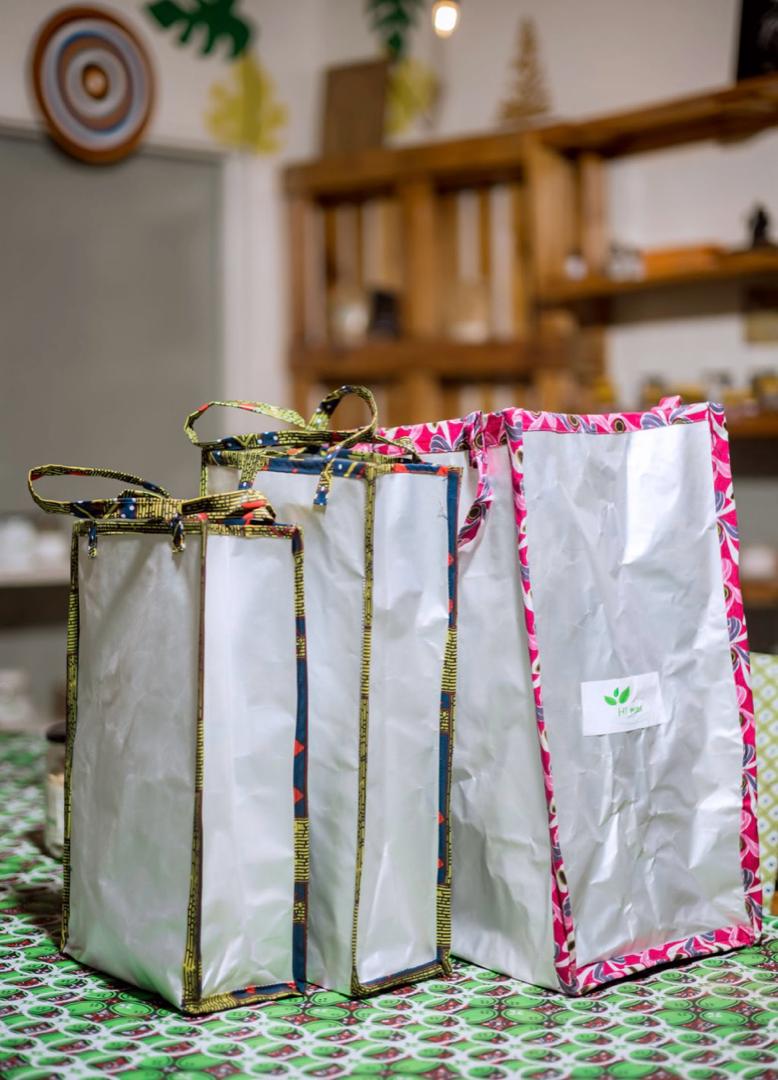
Recycled bags are eco-friendly, reusable carriers made from recycled materials like plastic, cotton, or paper. Durable and sustainable, they reduce waste, support green living, and are ideal for shopping, packaging, or daily use.
Description
1. General Overview
Recycled bags are eco-friendly, reusable bags made from recycled materials such as plastic (PET), cotton, paper, jute, or other post-consumer waste. Designed to reduce environmental impact, these bags help minimize landfill waste, conserve resources, and support a circular economy. They are commonly used for shopping, packaging, storage, and promotional purposes.
2. Materials Used
Recycled bags can be produced from various sustainable sources:
-
Recycled PET (rPET): Made from plastic bottles and containers
-
Recycled Cotton: Spun from post-industrial or post-consumer textile waste
-
Recycled Paper: Created from shredded and reprocessed paper waste
-
Recycled Jute or Hemp: Fibers from previous use, re-spun and woven
-
Upcycled Materials: Banners, tarpaulins, or denim creatively repurposed
These materials are cleaned, processed, and remanufactured into durable and functional bags.
3. Types of Recycled Bags
-
Tote Bags: Ideal for shopping and daily use
-
Drawstring Bags: Popular for sports and casual carry
-
Gift or Packaging Bags: Stylish options for eco-conscious branding
-
Cooler Bags: Insulated and made from recycled materials for food storage
-
Fashionable Upcycled Bags: Handcrafted and unique, often from repurposed fabric or advertising banners
4. Key Features
-
Eco-Friendly: Reduces reliance on virgin plastic and raw materials
-
Durable: Often stronger than single-use plastic or paper bags
-
Reusable: Can be used hundreds of times before disposal
-
Washable: Most fabric-based recycled bags are washable
-
Customizable: Easily branded or printed for promotional use
5. Environmental Benefits
-
Waste Reduction: Diverts waste from landfills and oceans
-
Carbon Footprint Reduction: Requires less energy and resources to produce than new materials
-
Supports Circular Economy: Promotes recycling and sustainability
-
Pollution Control: Helps reduce microplastic and chemical pollution in ecosystems
6. Common Uses
-
Grocery shopping
-
Farmer’s markets
-
Promotional events
-
Eco-conscious packaging
-
Personal or travel use
-
Retail gift wrapping
7. Care and Maintenance
-
Cleaning: Most fabric-based recycled bags can be hand or machine washed
-
Storage: Store in a dry place to prevent mold or wear
-
End of Life: Some bags are also recyclable or compostable, depending on materials used
8. Considerations
-
Material Transparency: Always check for certifications or sourcing info (e.g., GRS – Global Recycled Standard)
-
Load Capacity: Ensure the bag’s strength matches its intended use
-
Local Recycling Policies: Disposal may depend on local recycling programs


