
1,700 Fr
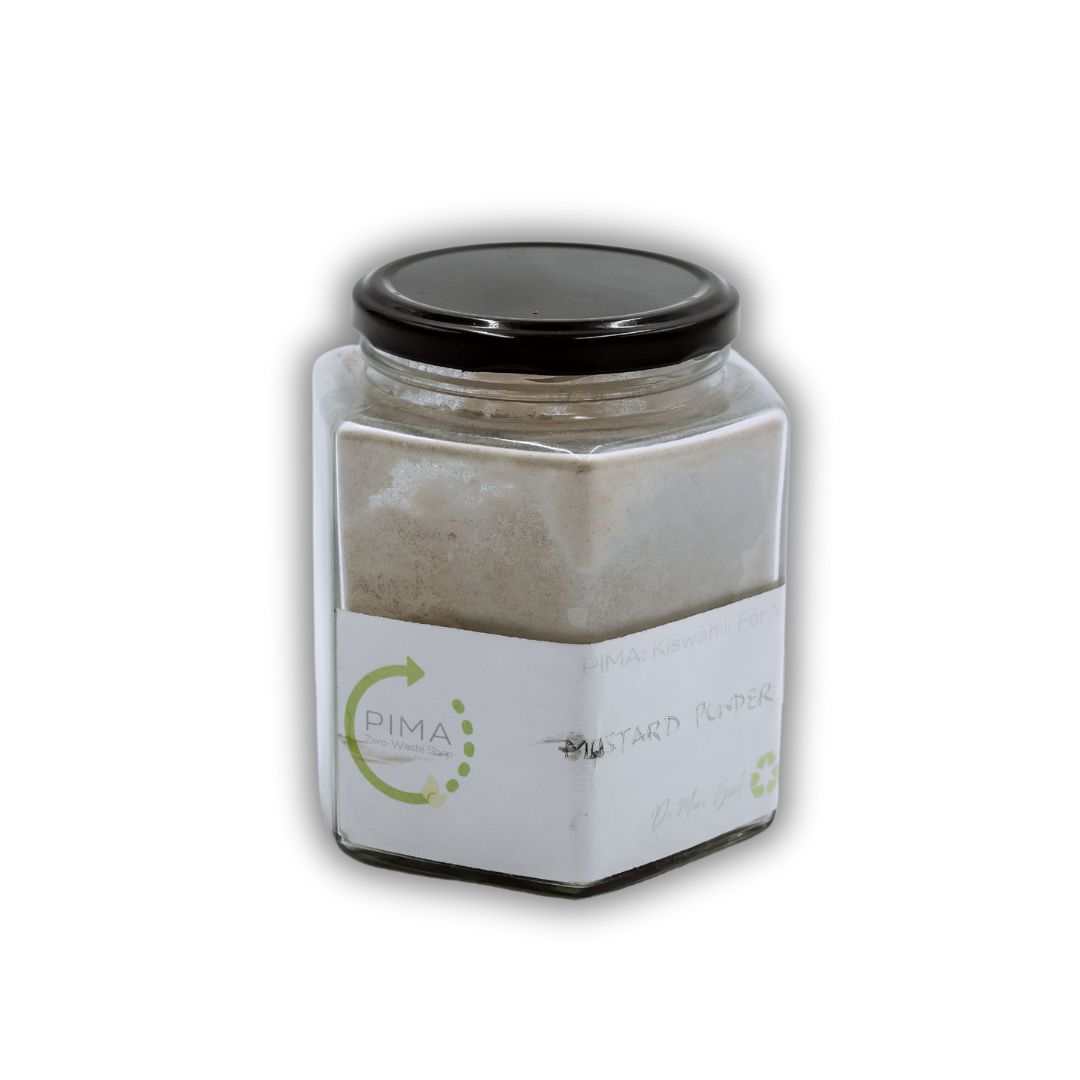
Mustard powder is a finely ground spice made from dried mustard seeds, offering a sharp, tangy flavor. Ideal for making sauces, dressings, and spice blends, it adds warmth and depth to a variety of dishes.
Description
Common Name: Mustard Powder
Also Known As: Ground Mustard, Dry Mustard
Botanical Name: Brassica nigra (black), Brassica alba (white/yellow), or Brassica juncea (brown)
Family: Brassicaceae (Cruciferae)
Form: Finely ground powder made from dried mustard seeds
Type: Spice / Condiment
Origin: Native to temperate regions of Europe and Asia; widely cultivated in India, Canada, and the UK
General Overview:
Mustard powder is a pungent and flavorful spice made by grinding dried mustard seeds into a fine, yellow or brown powder. It is commonly used as a condiment base or flavor enhancer in culinary traditions around the world. When combined with water, vinegar, or other liquids, mustard powder releases its characteristic heat and tang, making it the key ingredient in prepared mustards, sauces, marinades, and spice blends.
Beyond its culinary uses, mustard powder has been valued in traditional medicine for its warming, anti-inflammatory, and digestive properties.
Types of Mustard Used in Powder Form:
-
Yellow/White Mustard (Brassica alba): Mildest in flavor; often used in Western cuisine
-
Brown Mustard (Brassica juncea): Spicier and more aromatic
-
Black Mustard (Brassica nigra): Pungent and rarely used in powder due to volatile oils
Physical Characteristics:
-
Color: Pale yellow to light brown (depending on seed type)
-
Texture: Fine, dry powder
-
Aroma: Sharp, nutty, slightly sulfurous when dry; pungent when activated with liquid
-
Flavor: Earthy, slightly bitter, sharp, and spicy when hydrated
Culinary Uses:
-
Prepared Mustard: Mix with vinegar, water, or wine to make classic mustard pastes
-
Spice Mixes: Found in curry powders, barbecue rubs, pickling spices, and sausage seasonings
-
Cooking: Used in cheese sauces, salad dressings, deviled eggs, baked beans, and marinades
-
Thickener: Can help emulsify sauces and dressings
-
Toasting (Optional): Lightly toasting mustard powder can mellow its flavor for certain recipes
Health Benefits:
-
Digestive Support: Stimulates gastric juices and appetite
-
Anti-inflammatory Properties: Traditional use for relieving joint and muscle pain (externally as a poultice)
-
Antioxidant Rich: Contains glucosinolates and selenium, which may reduce oxidative stress
-
Decongestant: Historically used to clear sinuses and relieve cold symptoms
-
Warming Effect: Promotes circulation and is used in Ayurvedic and traditional remedies
Note: Should be used in moderation. Not suitable for those with mustard allergies or sensitive skin when used externally.
Storage Tips:
-
Airtight Container: Store in a tightly sealed jar
-
Cool, Dry Place: Keep away from heat and moisture
-
Shelf Life: Best used within 6–12 months for maximum potency
Sustainability & Sourcing:
-
Mustard plants are hardy and require relatively low water input, making them environmentally resilient
-
Powder is often produced from seeds that are already used for oil or condiment manufacturing, reducing waste
Conclusion:
Mustard powder is a versatile and powerful spice with a rich culinary and medicinal legacy. From classic condiments to bold spice blends, it delivers sharp flavor and warming properties. Whether you’re cooking, pickling, or mixing your own mustard, this humble powder adds depth and tradition to your kitchen.
Additional information
| 100gr | Mustard powder |
|---|


