
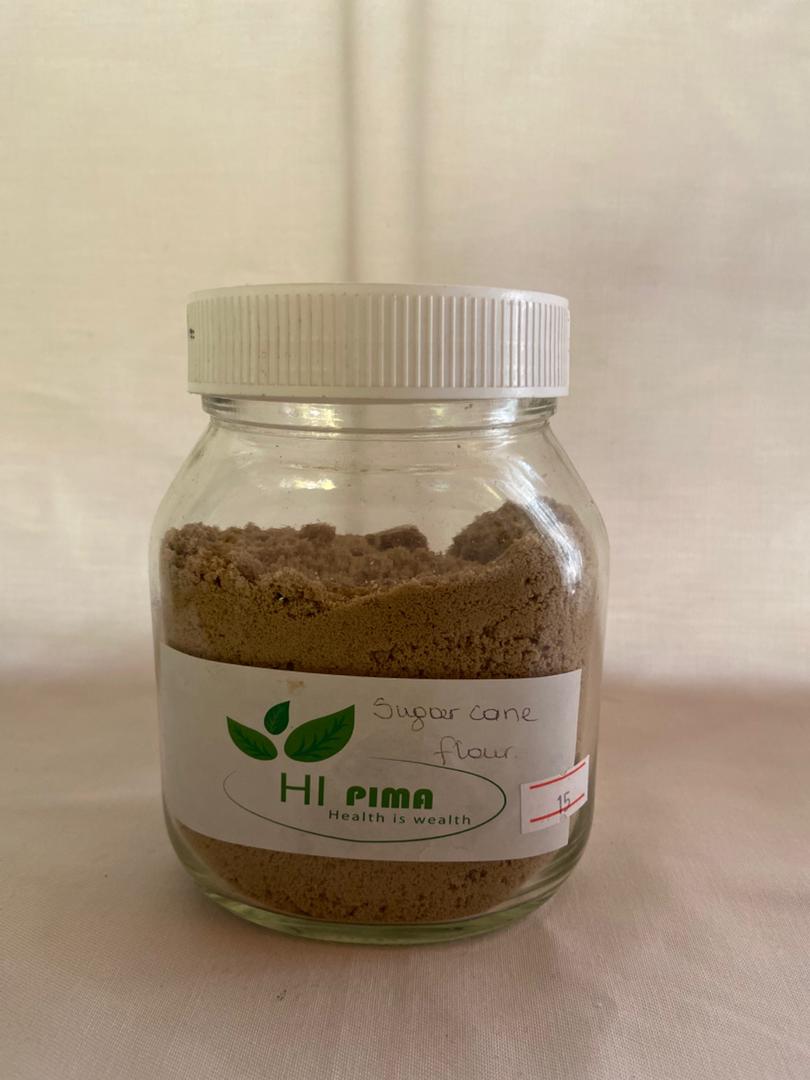
1,500 Fr
Sugar cane powder is a natural sweetener made from dried sugar cane juice. Less refined than white sugar, it retains a rich caramel flavor and trace minerals, making it a wholesome alternative for sweetening drinks, desserts, and baked goods.
Description
1. General Overview
Sugar cane powder is a natural, minimally processed sweetener made from the juice of crushed sugar cane (Saccharum officinarum). Unlike refined white sugar, sugar cane powder retains many of the plant’s nutrients, offering a richer, caramel-like flavor and light golden-brown color. It’s often used as a more wholesome alternative to conventional sugar in beverages, baking, and traditional medicine.
2. Botanical and Geographic Information
-
Botanical Name: Saccharum officinarum
-
Family: Poaceae (grass family)
-
Common Names: Cane sugar powder, raw cane powder, evaporated cane juice powder
-
Origin: Indigenous to Southeast Asia and the Indian subcontinent
-
Cultivation Regions: Grown widely in tropical and subtropical regions — India, Brazil, Africa, the Caribbean
3. Production Process
Sugar cane powder is typically produced through the following steps:
-
Harvesting & Cleaning: Fresh sugar cane stalks are cut and cleaned.
-
Juicing: The stalks are crushed to extract juice.
-
Evaporation: The juice is gently heated to evaporate water.
-
Drying & Grinding: The concentrated syrup is dried and ground into a fine powder.
This method preserves trace minerals and plant-based molasses content, differentiating it from highly refined white sugar.
4. Physical Characteristics
-
Color: Light to medium golden-brown
-
Texture: Fine and powdery, slightly moist if unrefined
-
Flavor: Naturally sweet with subtle caramel, molasses, and earthy notes
-
Aroma: Mild, with a warm, sugary scent
5. Culinary Uses
Sugar cane powder is a versatile sweetener suitable for many applications:
-
Beverages: Used in teas, juices, smoothies, coffee, and local brews
-
Baking: Adds depth to cookies, cakes, muffins, and breads
-
Sauces & Glazes: Adds sweetness to marinades, barbecue sauces, and glazes
-
Traditional Recipes: Common in African, Latin American, and Asian sweet dishes
-
Fermentation: Can be used in kombucha, ginger beer, and homemade brews
6. Nutritional Composition (per 1 tsp ~4g)
-
Calories: ~15–16 kcal
-
Carbohydrates: ~4g (primarily natural sugars: sucrose, glucose, fructose)
-
Minerals (trace amounts):
-
Calcium
-
Potassium
-
Magnesium
-
Iron
-
-
Plant Compounds: Contains small amounts of antioxidants and molasses-derived nutrients
7. Health Benefits (in moderation)
While still a sugar, unrefined sugar cane powder has slight advantages over white sugar:
-
Less Processed: Retains more nutrients and natural compounds
-
Lower Glycemic Index (compared to white sugar): May cause a slower rise in blood sugar
-
Energy Boost: Quick source of energy due to natural sugars
-
Traditional Use: In some cultures, used in remedies for colds, fatigue, or low blood pressure
8. How to Use
-
Substitution Ratio: 1:1 for white sugar in most recipes
-
Tea & Drinks: Stir in directly or make a syrup
-
Storage: Keep in a sealed container in a cool, dry place to prevent clumping
9. Precautions
-
Moderation is Key: Still a form of sugar – excessive use can contribute to weight gain, blood sugar spikes, and dental issues
-
Not Ideal for Keto or Diabetic Diets: Despite being less processed, it still contains high natural sugar content
-
Moisture Sensitivity: Can clump in humid environments – store properly
Additional information
| 100gr | sugar cane powder |
|---|


