
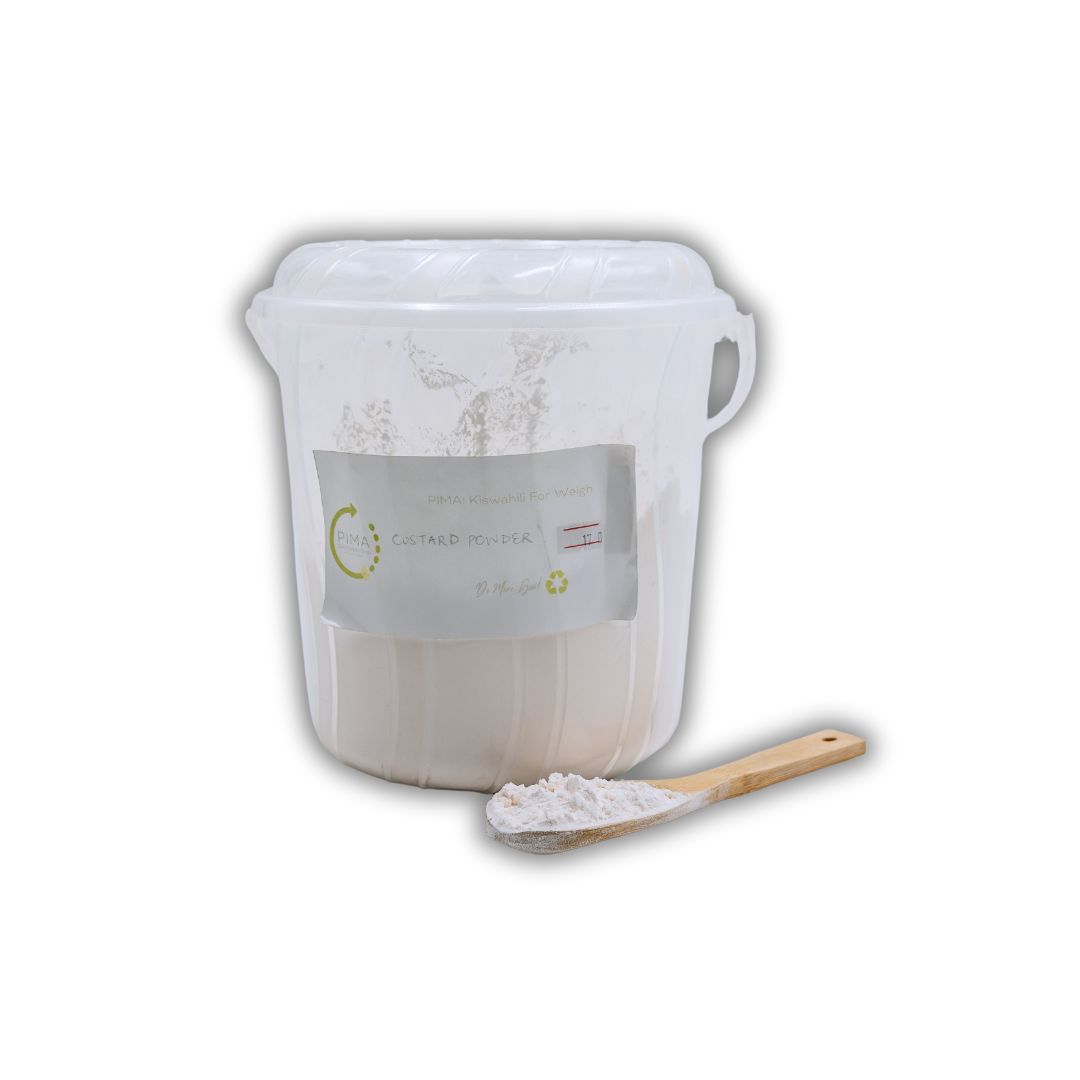
1,700 Fr
Description
Common Name: Custard Powder
Also Known As: Instant Custard Mix
Primary Ingredient: Cornstarch (Maize starch)
Color: Typically pale yellow
Texture (Dry): Fine powder
Flavor (When Prepared): Sweet, creamy vanilla flavor (can vary with added flavors)
General Description:
Custard powder is a convenient, ready-to-mix dry ingredient used to prepare custard—a rich, creamy dessert or sauce. Traditionally, custard is made from milk, eggs, and sugar, but custard powder offers an egg-free alternative by using cornstarch as the base thickener, combined with flavoring agents, color, and sometimes sweeteners. It is particularly popular in British, Indian, and Caribbean cuisines and is often used in households and food service for quick dessert preparation.
Common Ingredients:
-
Cornstarch (primary thickening agent)
-
Vanilla flavoring or other natural/artificial flavors
-
Salt
-
Food-grade coloring (often yellow to mimic egg custard)
-
Optional sweeteners (in sweetened varieties)
Nutritional Value (per 100g, dry powder – varies by brand):
-
Calories: ~350–400 kcal
-
Carbohydrates: ~85–90g
-
Sugars: Varies
-
-
Protein: ~0–1g
-
Fat: ~0–1g
-
Sodium: Varies (some contain added salt)
(Note: Prepared custard will have different values depending on milk and sugar used.)
Health Aspects:
-
Egg-Free: Suitable for vegetarians or those with egg allergies
-
Low Fat (dry): Naturally low in fat; fat content depends on preparation
-
Digestibility: Easy on the stomach, often used in soft diets for children or patients
-
Customizable: Can be made with dairy or plant-based milk and adjusted for sugar or flavor preference
Culinary Uses:
-
Dessert Base: Used in trifles, puddings, fruit custards, and parfaits
-
Sauce: Served warm or cold as a topping for cakes, pies, steamed puddings, or fruits
-
Baking Filler: Used in tarts, eclairs, or layered cakes
-
Thickener Substitute: Occasionally used in place of cornstarch or flour in recipes
Preparation (Basic):
-
Mix 2 tablespoons of custard powder with 2 tablespoons of sugar and a little cold milk to form a smooth paste.
-
Heat the remaining milk in a saucepan.
-
Add the custard paste to the hot milk, stirring constantly.
-
Simmer and stir until thickened, then serve warm or chill as needed.
Storage:
-
Keep in a cool, dry place in an airtight container.
-
Shelf life: 12–24 months depending on packaging and brand.
Cultural and Historical Notes:
Invented in the 19th century by Alfred Bird, a British chemist, custard powder was created for his wife who was allergic to eggs. It quickly gained popularity as a convenient dessert option and became a pantry staple across the UK and its former colonies, especially in India, South Africa, and the Caribbean
Additional information
| 100gr | Custard powder |
|---|


