
2,800 Fr
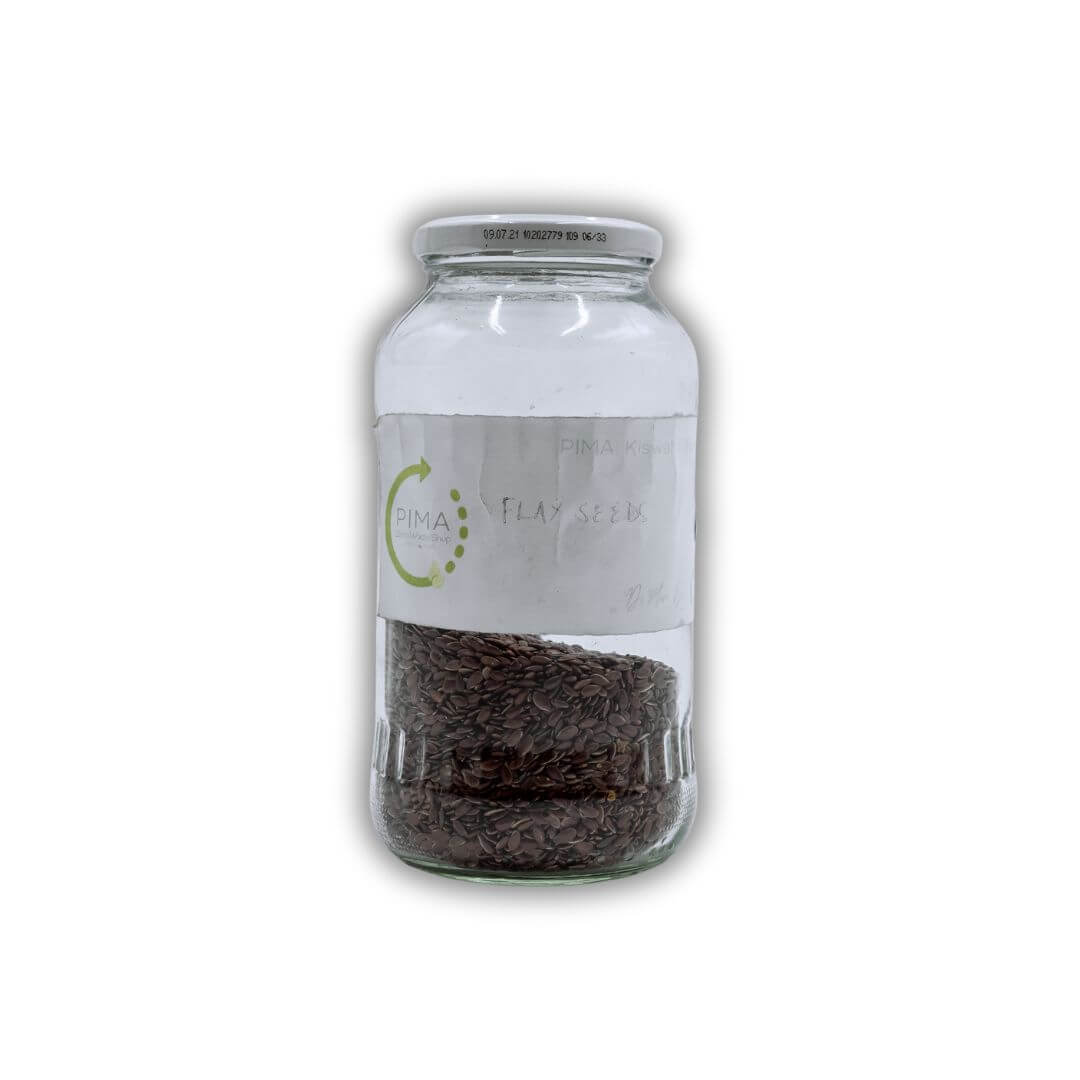
Flax seeds are small, nutrient-rich seeds packed with omega-3 fatty acids, fiber, and antioxidants. With a mild, nutty flavor, they support heart health, digestion, and hormonal balance, and can be used whole, ground, or as a vegan egg substitute in cooking and baking.
Description
Common Name: Flax Seed
Also Known As: Linseed
Botanical Name: Linum usitatissimum
Family: Linaceae
Form: Small, flat, oval seeds
Color: Golden or brown
Taste: Mildly nutty and earthy
Texture: Crisp when whole; smooth when ground
General Description:
Flax seeds are the edible seeds of the flax plant, cultivated since ancient times for food, fiber, and oil. These tiny seeds pack a powerful nutritional punch, rich in omega-3 fatty acids, fiber, and plant-based protein. Known for their health-promoting properties, flax seeds are a staple in plant-based and health-conscious diets.
Varieties:
-
Brown Flax Seeds: Most common; rich in omega-3s and fiber.
-
Golden Flax Seeds: Lighter in color with a milder flavor; nutritionally similar to brown flax.
Nutritional Value (per 100g):
-
Calories: ~534 kcal
-
Protein: ~18g
-
Fat: ~42g (mainly unsaturated fats)
-
Omega-3 (ALA): ~22g
-
-
Carbohydrates: ~29g
-
Fiber: ~27g
-
-
Vitamins: B1 (thiamine), B6, folate
-
Minerals: Magnesium, Phosphorus, Copper, Manganese, Selenium, Zinc
-
Phytochemicals: Lignans (a type of antioxidant phytoestrogen)
Health Benefits:
-
Heart Health: High ALA content helps lower blood pressure and cholesterol.
-
Digestive Health: Rich in soluble and insoluble fiber, promoting regularity.
-
Hormonal Balance: Lignans support estrogen balance, especially beneficial for women.
-
Weight Management: High fiber and healthy fats promote satiety.
-
Anti-inflammatory: ALA and lignans help reduce inflammation in the body.
-
Blood Sugar Control: Fiber slows digestion and glucose absorption.
Culinary Uses:
-
Whole Seeds: Topped on yogurt, salads, granola, or baked goods.
-
Ground Flax (Flax Meal): Mixed into smoothies, oatmeal, pancake batter, or energy bars.
-
Vegan Egg Substitute: 1 tbsp ground flax + 3 tbsp water = 1 egg (for baking).
-
Cold-pressed Flax Oil: Used in salad dressings and smoothies (not suitable for high heat).
Storage:
-
Whole Seeds: Store in a cool, dry place for up to 1 year.
-
Ground Seeds: Refrigerate in airtight container; use within a few weeks.
-
Flax Oil: Must be refrigerated and kept away from heat and light.
Processing Forms:
-
Whole Flax Seeds
-
Ground Flaxseed (Flax Meal)
-
Cold-Pressed Flaxseed Oil
-
Flaxseed Extracts or Capsules (for supplements)
Cultural and Historical Significance:
Flax has been cultivated for over 5,000 years, used by ancient Egyptians and Greeks for both medicinal and culinary purposes. Today, it plays a major role in holistic nutrition, natural medicine, and plant-based diets worldwide.
Additional information
| 100gr | Flax seed |
|---|


