
2,000 Fr
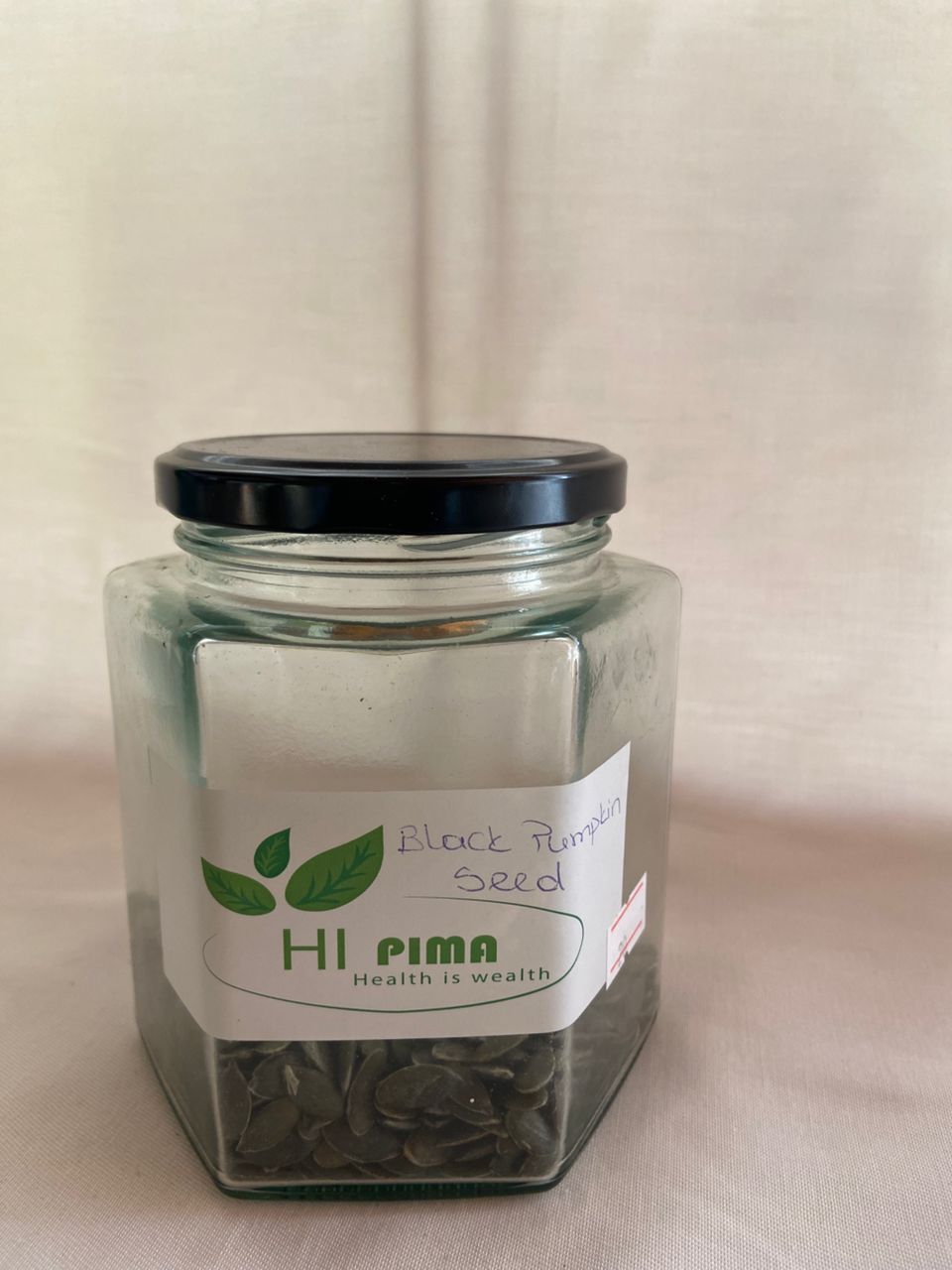
Black pumpkin seeds are nutrient-rich, dark-shelled seeds known for their bold, nutty flavor and crunchy texture. Packed with protein, magnesium, zinc, and antioxidants, they support heart, prostate, and immune health—perfect as a wholesome snack or ingredient in healthy recipes.
Description
1. General Overview
Black pumpkin seeds are a unique variety of pumpkin seeds characterized by their naturally dark, almost black outer shells. Unlike the more common green pepitas, these seeds are often consumed with their outer shell intact, offering a richer texture and more robust flavor. Popular in traditional medicine and healthy diets, black pumpkin seeds are both a nutrient powerhouse and a culinary delight.
2. Botanical and Geographic Information
-
Botanical Name: Cucurbita maxima, Cucurbita pepo (varieties with darker seeds)
-
Common Names: Black pumpkin seeds, dark pumpkin seeds, whole-shell pumpkin seeds
-
Origin: Native to Central and South America; now cultivated in Africa, Asia, and Eastern Europe
-
Traditional Use Regions: Widely consumed in East Asia, Eastern Europe, and increasingly popular in health food markets worldwide
3. Physical Characteristics
-
Appearance: Oval-shaped seeds with a thick, black to dark brown outer shell
-
Texture: Crunchy, especially when roasted; denser than shelled seeds
-
Flavor: Rich, nutty, slightly earthy with a robust finish
-
Size: Slightly larger and harder than standard green pepitas
4. Culinary Uses
Black pumpkin seeds can be eaten raw or roasted and incorporated into various dishes:
-
Snacks: Roasted and salted as a crunchy, nutrient-dense snack
-
Baking: Used in bread, granola, or seed bars
-
Toppings: Sprinkled over soups, salads, porridge, or rice dishes
-
Traditional Drinks: In some cultures, ground into herbal tonics or blended into health drinks
-
Oil Extraction: Used to produce dark, nutty pumpkin seed oil with culinary and cosmetic applications
5. Nutritional Profile (per 28g or 1 oz serving)
-
Calories: ~160 kcal
-
Protein: ~7g
-
Fat: ~13g (mostly unsaturated, including omega-6 and some omega-3)
-
Carbohydrates: ~4g (including ~2g fiber)
-
Vitamins & Minerals:
-
Magnesium
-
Iron
-
Zinc
-
Manganese
-
Phosphorus
-
Vitamin E
-
-
Other Compounds:
-
Phytosterols (supports cholesterol balance)
-
Antioxidants (especially in the dark shell)
-
6. Health Benefits
Black pumpkin seeds are celebrated for their dense nutrition and healing properties:
-
Heart Health: Rich in magnesium and healthy fats for cardiovascular support
-
Prostate and Bladder Support: Traditionally used to improve male urinary health
-
Antioxidant Power: The dark shell contains compounds that combat oxidative stress
-
Immune Boosting: High in zinc and vitamin E for stronger immunity
-
Anti-inflammatory: Beneficial for joint and muscle health
-
Hormonal Balance: Tryptophan content supports mood and sleep cycles
7. Storage and Shelf Life
-
Storage: Keep in airtight containers, cool and dry location; refrigerate for extended freshness
-
Shelf Life: Up to 6–12 months if stored properly; roasted seeds may have a shorter shelf life
8. Precautions
-
Shell Texture: The hard shell may be tough for some individuals to chew—roasting softens the texture
-
Allergens: May cause reactions in those with seed or nut allergies
-
Portion Control: Calorie-dense; best enjoyed in moderation as part of a balanced diet
Additional information
| 100gr | Black pumpkin seed |
|---|


