
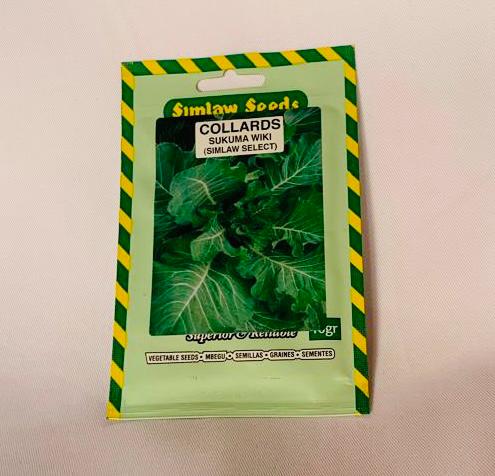
3,000 Fr
High-yielding, nutrient-rich leafy green seeds ideal for tropical climates. Grows into tender, dark green leaves used in traditional East African dishes. Perfect for continuous harvest and home or market gardening.
Description
Botanical Name: Brassica oleracea (var. acephala)
Common Names: Sukuma wiki, collard greens, African kale
Seed Type: Heirloom / Open-pollinated / Non-GMO
Growth Habit: Biennial (grown as annual)
Days to Maturity: 60–75 days
Origin: Indigenous to East Africa; cultivated widely across Sub-Saharan Africa
Climate Adaptability: Thrives in tropical and subtropical climates
🌱 Overview:
Sukuma wiki, meaning “stretch the week” in Swahili, is a hardy, leafy green vegetable that plays a vital role in East African cuisine and food security. Grown from Sukuma wiki seeds, the plant produces large, dark green leaves packed with nutrients, especially when fresh and tender. It is a staple vegetable in many households, often sautéed with onions, tomatoes, or served alongside ugali or rice.
This versatile green is highly productive, drought-tolerant once established, and suitable for both small home gardens and large-scale farming. It can be harvested continuously for several months, providing a reliable source of food and income.
🌿 Key Characteristics:
-
Leaf Appearance: Broad, smooth, and deep green with prominent veins
-
Flavor: Mild, slightly earthy, and less bitter than other kales
-
Growth Height: Typically 60–90 cm, can reach up to 1.2 m
-
Harvest Style: Cut-and-come-again method; outer leaves harvested while center continues to grow
-
Tolerance: Resistant to light drought, pests, and diseases with proper care
🧑🌾 How to Grow Sukuma Wiki:
-
Soil Requirements: Fertile, well-drained, loamy soil with good organic matter
-
pH Range: 6.0–7.5
-
Planting Depth: 0.5–1 cm
-
Spacing: 30–45 cm between plants; 60 cm between rows
-
Sunlight: Full sun to partial shade
-
Watering: Regular but not waterlogged; mulching recommended
-
Fertilization: Benefits from compost or nitrogen-rich organic fertilizers
-
Pests & Diseases: Watch for aphids, cabbage worms, and downy mildew
🥬 Culinary Uses:
-
Sautéed with onions, tomatoes, and oil as a traditional side dish
-
Added to stews and soups
-
Chopped into rice, bean, or meat dishes
-
Can be dried for preservation or blended into green powders
-
Young leaves can be eaten raw in salads or smoothies
💪 Nutritional Benefits:
-
Rich in: Vitamin A, C, K, calcium, iron, folate, and dietary fiber
-
Low in calories but high in nutrients—excellent for balanced diets
-
Supports: Immune system, bone health, eye health, and digestion
-
Antioxidant-rich and supports detoxification
🌍 Cultural & Economic Importance:
-
Food Security Crop: Reliable year-round harvest in many African households
-
Income Generator: Commonly sold in local markets by smallholder farmers
-
Sustainability: Grows well with minimal input and can be integrated into crop rotations or permaculture systems
-
Cultural Staple: A symbol of resilience and affordability in many Swahili-speaking communities
Additional information
| 10gr | Sukuma wiki |
|---|


