
1,900 Fr
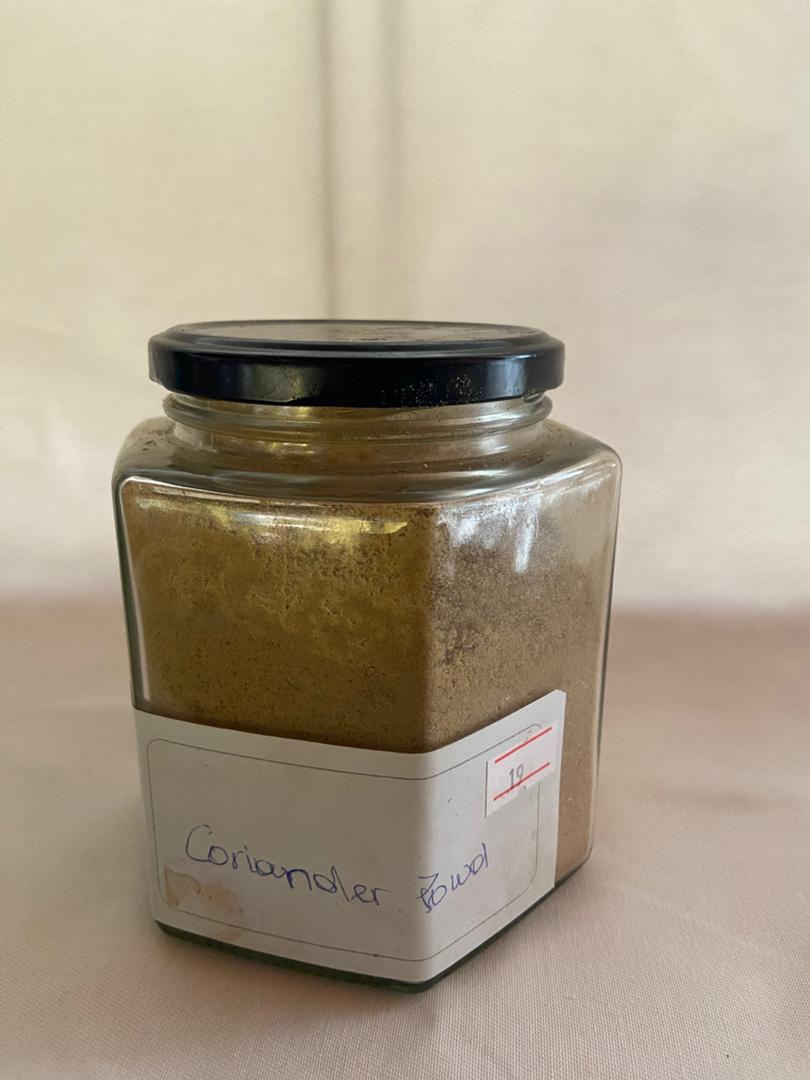
Coriander powder is a warm, citrusy spice made from ground dried coriander seeds. Widely used in global cuisines, it enhances curries, soups, and spice blends with its mild, aromatic flavor and digestive benefits.
Description
1. General Overview
Coriander powder is a ground spice made from the dried seeds of the coriander plant (Coriandrum sativum), a member of the parsley family. Widely used in global cuisines, it imparts a warm, citrusy, and slightly nutty flavor to dishes. Known for both its culinary and medicinal properties, coriander powder is a key component in spice blends such as curry powder and garam masala.
2. Botanical Information
-
Botanical Name: Coriandrum sativum
-
Common Names: Ground coriander, dhania powder
-
Plant Family: Apiaceae (parsley family)
-
Origin: Native to the Mediterranean and Middle East
-
Main Producers: India, Morocco, Egypt, China, Mexico
3. Production Process
-
Harvesting: Mature coriander seeds are harvested when the plant browns and dries.
-
Drying: Seeds are sun-dried or mechanically dried to remove moisture.
-
Grinding: Dried seeds are finely ground to a pale yellow or light brown powder.
-
Packaging: Stored in airtight containers to retain aroma and flavor.
4. Physical Characteristics
-
Color: Light brown to yellow-beige
-
Texture: Fine powder
-
Aroma: Fresh, warm, slightly citrusy with floral undertones
-
Flavor: Mildly sweet, lemony, and earthy with a warm finish
5. Culinary Uses
Coriander powder is used in a variety of savory and sweet preparations:
-
Curries & Stews: Enhances flavor and aroma
-
Spice Mixes: Found in curry powder, garam masala, ras el hanout, and berbere
-
Soups & Broths: Adds depth and warmth
-
Rice Dishes & Marinades: Offers a subtle spiced flavor
-
Baked Goods: Occasionally used in European gingerbread and cakes
6. Nutritional Value (per 1 tsp / ~2g)
-
Calories: ~6 kcal
-
Carbohydrates: ~1.1g
-
Fiber: ~0.8g
-
Protein: ~0.3g
-
Fats: ~0.1g
-
Minerals: Calcium, potassium, magnesium, iron
-
Vitamins: Small amounts of vitamin C and B-complex vitamins
-
Phytochemicals: Linalool (aromatic compound), antioxidants, and anti-inflammatory agents
7. Health Benefits
Coriander has long been used in traditional medicine systems such as Ayurveda and Unani for its health benefits:
-
Digestive Aid: Helps relieve bloating, gas, and indigestion
-
Anti-inflammatory: Contains antioxidants that may reduce inflammation
-
Blood Sugar Support: Some studies suggest it may help regulate glucose levels
-
Detoxifying Agent: Supports liver function and detox processes
-
Antimicrobial: Possesses natural antibacterial and antifungal properties
8. Storage & Shelf Life
-
Best Stored: In an airtight container in a cool, dark place
-
Shelf Life: 6–12 months for maximum flavor and potency
-
Tip: Toast seeds before grinding for a more intense aroma and taste
9. Safety & Considerations
-
Allergies: Rare but possible; monitor for food sensitivity
-
Medical Interactions: May enhance the effect of diabetes medication
-
Pregnancy Use: Generally considered safe in culinary amounts
Additional information
| 100gr | Coriander powder |
|---|


