
2,000 Fr
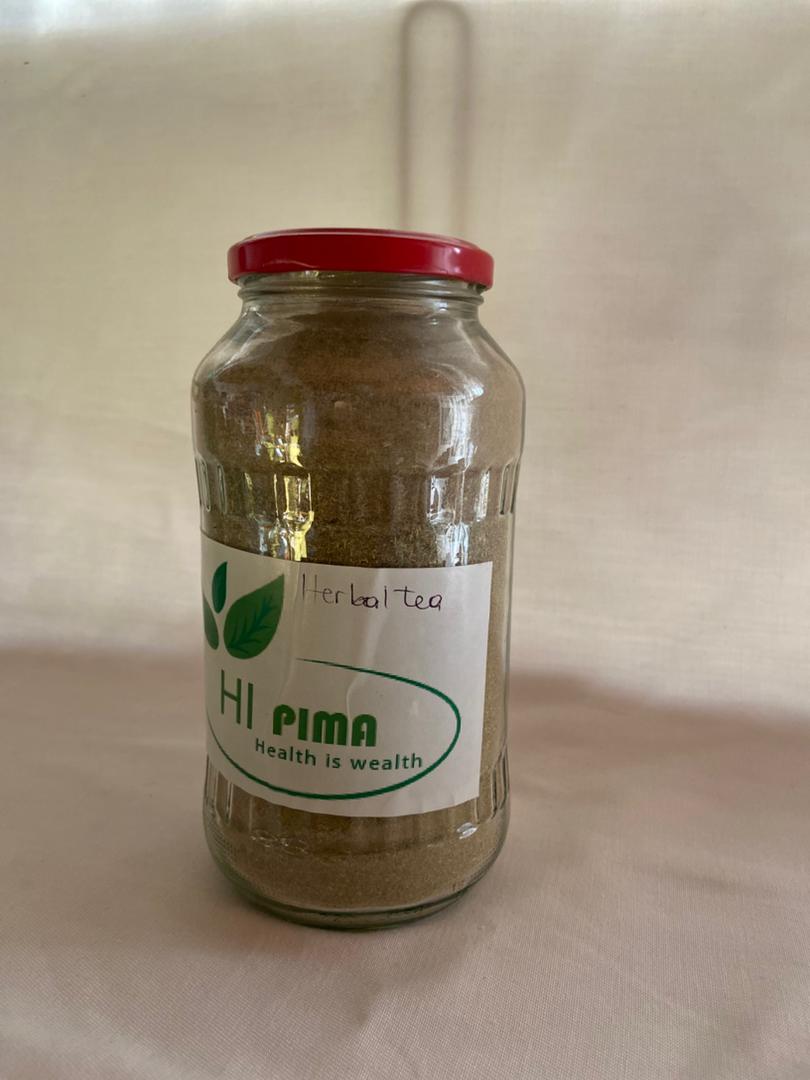
Herbal tea powder is a finely ground blend of dried herbs, flowers, and roots used to make caffeine-free infusions. It offers natural flavors and potential health benefits like relaxation, digestion support, and immune boosting.
Description
1. General Overview
Herbal tea powder is a finely ground blend of dried herbs, flowers, leaves, roots, or seeds used to prepare herbal infusions. Unlike traditional teas from the Camellia sinensis plant, herbal teas are caffeine-free and valued for their diverse flavors and potential health benefits. Herbal tea powders offer a convenient, quick way to brew nourishing beverages rich in antioxidants, vitamins, and bioactive compounds.
2. Common Ingredients & Varieties
Herbal tea powders can be made from a wide variety of botanicals, including but not limited to:
-
Leaves: Peppermint, lemongrass, basil, moringa, nettle
-
Flowers: Chamomile, hibiscus, rose petals, lavender
-
Roots: Ginger, turmeric, licorice
-
Seeds & Fruits: Fennel, cardamom, cinnamon bark, dried berries
Each blend has unique flavors and therapeutic properties, crafted for relaxation, digestion, immunity, or energy.
3. Physical Characteristics
-
Appearance: Fine to coarse powder, varying in color depending on the blend (green, brown, red, yellow, or mixed)
-
Aroma: Herbal, floral, spicy, or earthy aromas depending on ingredients
-
Flavor: Ranges from sweet and floral to spicy, minty, or slightly bitter
-
Solubility: Generally steeped in hot water; some finer powders may dissolve partially
4. Culinary and Usage
-
Preparation: Typically steeped in hot water for 3–10 minutes to extract flavors and active compounds
-
Serving: Consumed hot or iced; can be sweetened or combined with milk, honey, or lemon
-
Blending: Can be mixed with green or black tea powders for added flavor and benefits
-
Cooking: Sometimes used to flavor broths, desserts, or smoothies
5. Nutritional & Phytochemical Content
Herbal tea powders provide a range of nutrients and plant compounds depending on the ingredients, including:
-
Antioxidants: Flavonoids, polyphenols, vitamin C, carotenoids
-
Vitamins & Minerals: Vitamins A, C, B-complex, calcium, magnesium, potassium
-
Essential Oils: Responsible for aroma and therapeutic effects
-
Other Bioactives: Anti-inflammatory, antimicrobial, calming agents
6. Health Benefits
Herbal teas are consumed for various health purposes such as:
-
Digestive Aid: Helps soothe stomach discomfort and improve digestion
-
Relaxation & Sleep: Ingredients like chamomile and lavender promote calm and better sleep
-
Immune Support: Herbs like echinacea, ginger, and hibiscus boost immunity
-
Anti-inflammatory: Many herbal teas reduce inflammation and oxidative stress
-
Detoxification: Some blends support liver function and toxin elimination
7. Storage and Shelf Life
-
Storage: Keep in an airtight container away from moisture, heat, and light
-
Shelf Life: Typically 1–2 years when stored properly
8. Safety & Precautions
-
Allergies: Check individual ingredients for possible allergies or sensitivities
-
Pregnancy & Medication: Some herbs may not be suitable for pregnant women or those on certain medications; consult healthcare providers
-
Dosage: Follow recommended steeping times and quantities to avoid side effects
Additional information
| 100gr | Herbal tea |
|---|


