
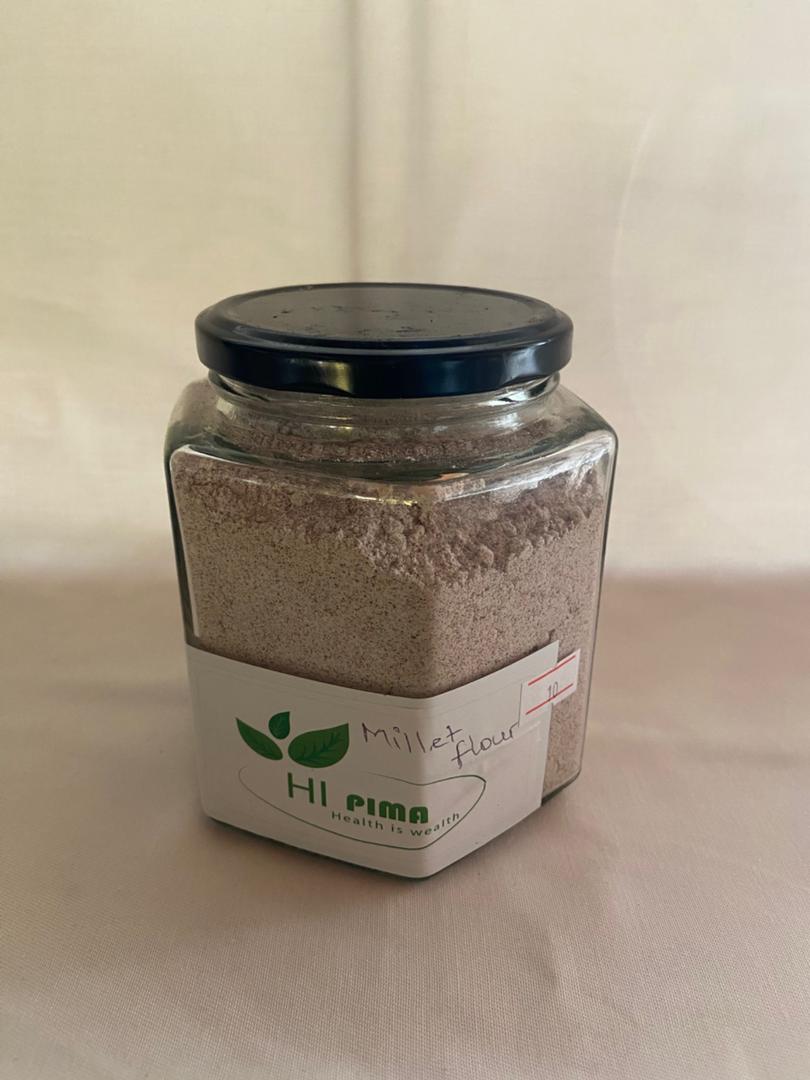
1,000 Fr
Description
1. General Overview
Millet flour is a gluten-free, nutrient-dense flour made by grinding whole millet grains, which are small-seeded cereals from the Poaceae grass family. Widely used in traditional African, Indian, and Asian cuisines, millet flour is praised for its mildly sweet, nutty flavor and high nutritional value. It is a key ingredient in flatbreads, porridges, baked goods, and baby foods, especially for those seeking wholesome, allergen-free alternatives to wheat.
2. Common Types of Millet Used for Flour
-
Pearl Millet (Pennisetum glaucum) – Common in Africa and India (called bajra)
-
Finger Millet (Eleusine coracana) – Known as ragi in India
-
Foxtail Millet (Setaria italica) – Mild taste, used in porridge
-
Sorghum Millet (Sorghum bicolor) – Also called jowar, often interchangeable
-
Proso Millet (Panicum miliaceum) – Delicate and light flour
Each type has unique characteristics but shares a similar nutritional profile.
3. Physical Characteristics
-
Color: Varies from cream to pale yellow or brownish-gray depending on the millet variety
-
Texture: Fine, dry, slightly gritty flour
-
Taste: Mildly sweet, nutty, and earthy
-
Aroma: Subtle grain-like scent
4. Nutritional Profile (per 100g, approx.)
-
Calories: ~350 kcal
-
Carbohydrates: ~70g
-
Protein: ~10–12g
-
Fat: ~4g
-
Fiber: ~8–10g
-
Key Nutrients:
-
Vitamins: B-complex (niacin, thiamine, riboflavin), vitamin E
-
Minerals: Iron, magnesium, phosphorus, potassium, calcium
-
Antioxidants: Polyphenols, flavonoids, lignans
-
5. Health Benefits
Millet flour is a powerhouse of nutrients and functional compounds:
-
Gluten-Free: Ideal for people with celiac disease or gluten sensitivity
-
Heart Health: Rich in magnesium and potassium for blood pressure regulation
-
Diabetes-Friendly: Low glycemic index, supports blood sugar control
-
Weight Management: High fiber content aids satiety and digestion
-
Bone Health: Good source of calcium and phosphorus, especially finger millet
-
Iron-Rich: Supports energy levels and prevents anemia
-
Detox Support: Contains antioxidants that fight oxidative stress
6. Culinary Uses
Millet flour is incredibly versatile and used in a wide range of dishes:
-
Flatbreads: Chapati, roti, injera, tortillas
-
Porridge: Traditional breakfast gruels for children and adults
-
Baking: Cookies, muffins, pancakes, cakes (often blended with other flours)
-
Baby Foods: Easily digestible, gentle on young stomachs
-
Thickener: Used in soups and stews for added body and nutrition
-
Fermented Foods: Used in traditional beverages and batters
7. Traditional & Regional Uses
-
Africa: Used in fermented porridge (uji), breads, or mixed with sorghum
-
India: Used in rotis (bajra or ragi roti), laddus, dosa batter
-
Asia: Popular in congee-style dishes or steamed cakes
-
Gluten-Free Diets Worldwide: Key ingredient in health foods and meal replacement mixes
8. Storage & Shelf Life
-
Storage: Store in a cool, dry place in an airtight container
-
Shelf Life: 2–3 months unrefrigerated; up to 6 months if refrigerated
-
Tip: Because of natural oils, millet flour can turn rancid; check freshness before use
9. Sustainability & Agriculture
Millet is a drought-resistant crop that grows in poor soil conditions, making it one of the most sustainable and climate-resilient grains. It requires minimal water and pesticides and promotes biodiversity in agriculture.
Additional information
| 100gr | Millet flour |
|---|


