
1,000 Fr
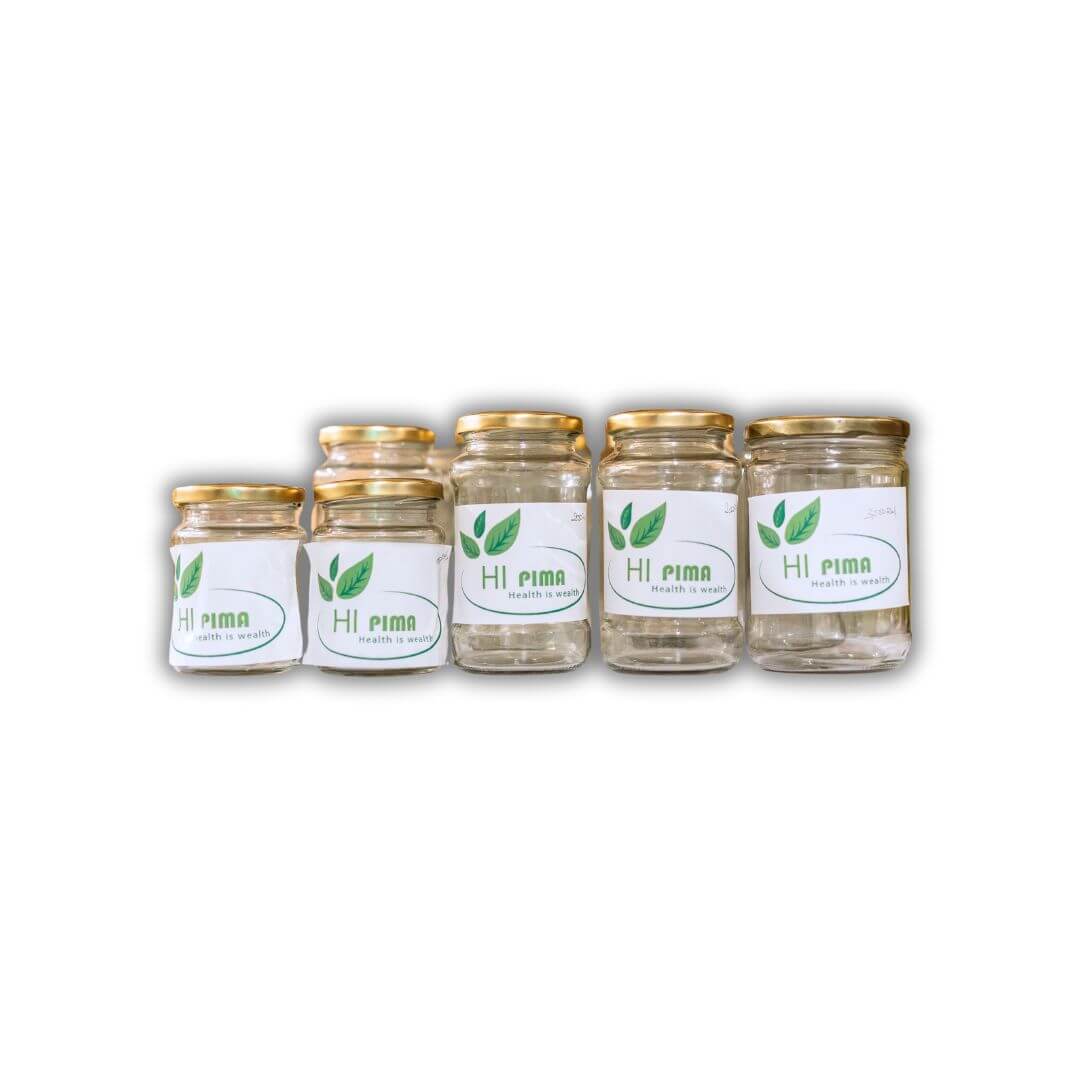
Jars are reusable containers made of glass, plastic, or ceramic, designed for storing and preserving a variety of items such as spices, grains, sauces, and dry goods. With airtight lids and versatile sizes, they keep contents fresh and organized while offering a sustainable, practical, and often decorative storage solution.
Description
Common Name: Jars
Also Known As: Storage jars, glass jars, canisters, mason jars
Material Types: Glass, plastic, ceramic, stainless steel
Lid Types: Screw-top, clamp lid, airtight seal, cork, flip-top, metal or plastic
Sizes: Vary from 30 ml (spice jars) to 3+ liters (bulk storage)
General Overview:
Jars are rigid containers used for storing, preserving, and displaying a wide range of items. Most commonly used in kitchens and pantries, jars serve both practical and decorative functions. They are typically made from durable materials like glass, plastic, or ceramic and come in various shapes and capacities. Thanks to their versatility, jars are used globally for household storage, food preservation, packaging, and crafting.
Key Features:
-
Storage Efficiency: Ideal for organizing dry goods, spices, jams, sauces, and leftovers.
-
Preservation: Airtight lids protect against moisture, air, and pests, extending shelf life.
-
Transparency: Glass and some plastic jars offer clear visibility of contents for easy identification.
-
Reusable & Eco-Friendly: A sustainable choice that reduces the need for disposable packaging.
-
Versatile Design: Suitable for both functional storage and aesthetic presentation in kitchens, stores, and gift packaging.
Types of Jars:
-
Glass Jars:
-
Non-reactive, food-safe, ideal for long-term storage
-
Can be sterilized for canning (pickles, jams, sauces)
-
Often used for dry goods, preserves, and decorative packaging
-
-
Plastic Jars:
-
Lightweight and shatter-resistant
-
Suitable for non-perishable or travel-use storage
-
BPA-free options available for food-grade storage
-
-
Ceramic Jars:
-
Opaque and elegant, often used for tea, sugar, or salt
-
Good for light-sensitive contents
-
Adds a decorative touch to kitchen decor
-
-
Metal Jars (Stainless Steel or Tin):
-
Durable, odor-resistant, and unbreakable
-
Often used in commercial or industrial settings
-
May be lined or coated for food safety
-
Common Uses:
-
Food Storage: Grains, seeds, legumes, nuts, flours, snacks, and spices
-
Canning & Preserving: Fruits, vegetables, sauces, relishes, and jams
-
Pantry & Kitchen Organization: Minimizes clutter and improves visibility
-
Crafts & DIY Projects: Candles, bath salts, homemade beauty products
-
Retail & Gifting: Attractive containers for homemade products or gift sets
Popular Jar Sizes & Applications:
| Volume | Common Use |
|---|---|
| 30–120 ml | Spices, herbs, samples, travel portions |
| 250–500 ml | Sauces, jams, pickles, dry snacks |
| 750 ml–1 L | Pasta, grains, cereals, legumes |
| 1.5–3 L | Flour, sugar, bulk goods, cookies |
Maintenance & Care:
-
Glass Jars: Dishwasher-safe, sterilizable for food preservation
-
Plastic Jars: Hand-wash preferred to avoid warping or scratching
-
Lids: Check seals regularly; replace if damaged or rusted
-
Storage Tips: Store in a cool, dry place away from direct sunlight
Sustainability Benefits:
Jars contribute significantly to eco-friendly lifestyles by reducing reliance on single-use plastics. Glass and metal jars are fully recyclable and can be reused countless times for bulk storage, grocery shopping, or zero-waste kitchens. Their durability makes them a long-term, cost-effective storage solution.
Aesthetic & Practical Appeal:
In addition to their utility, jars offer a clean, minimalist aesthetic that suits both traditional and modern kitchens. Labeled jars help create a tidy, visually pleasing pantry or spice rack while ensuring easy access to ingredients. Their presence elevates the overall look of food presentations, retail displays, and homemade product packaging.
Additional information
| according to the size | Jars |
|---|