
1,000 Fr
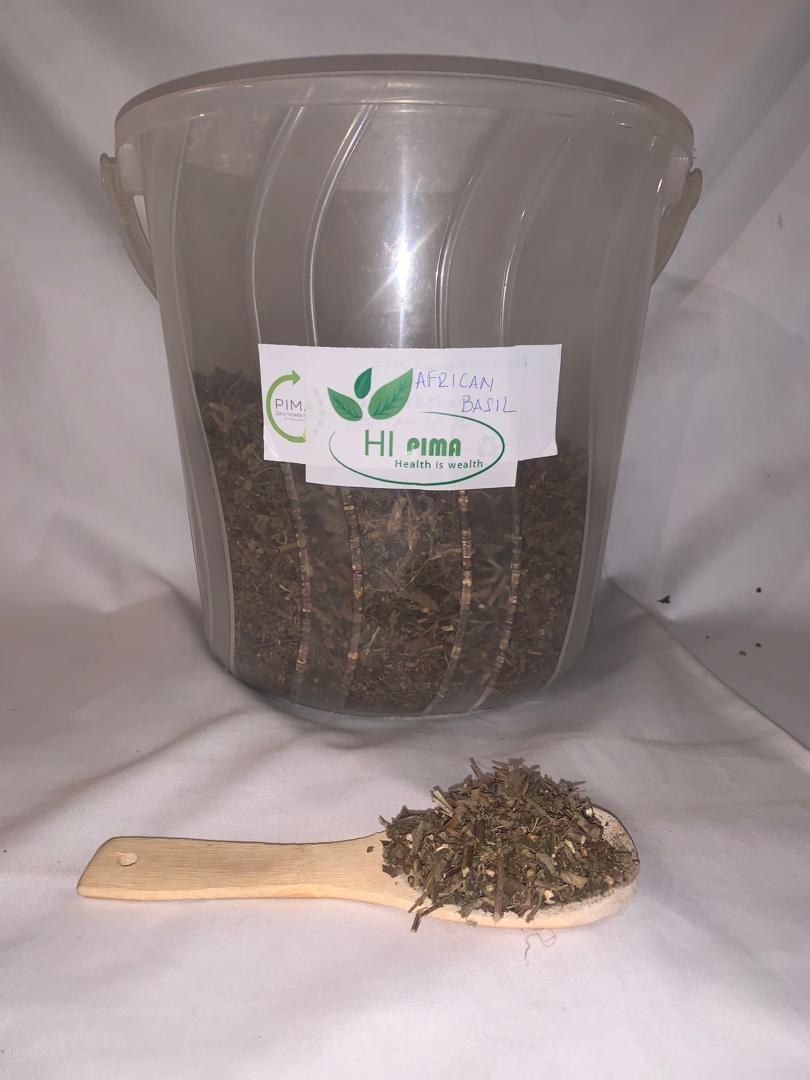
African basil (Ocimum gratissimum) is a fragrant, medicinal herb rich in antioxidants and essential oils. Known for its clove-like aroma, it supports immunity, digestion, and respiratory health. Ideal for teas, cooking, and natural remedies.
Description
🔬 Botanical Name: Ocimum gratissimum
👄 Common Names:
-
African basil
-
Clove basil
-
Scent leaf (Nigeria)
-
Nchanwu (Igbo), Efirin (Yoruba), Aramogbo (Ghana)
-
Mubarari / Umuravumba (Kinyarwanda)
-
Ram tulsi or Vana tulsi (India)
🌍 Origin & Botanical Profile
African basil is a perennial shrub belonging to the Lamiaceae (mint) family. Native to tropical Africa and Asia, it thrives in warm climates and is widely used in African herbal medicine, cooking, and religious rituals.
It has green, slightly hairy leaves, and a strong aromatic clove-like scent due to its high eugenol content. The plant grows quickly and is highly resistant to pests, making it a common addition to home gardens.
🍃 Nutritional & Phytochemical Components
-
Essential oils: Eugenol (up to 60%), thymol, citral
-
Flavonoids: Quercetin, apigenin
-
Tannins, saponins, alkaloids
-
Vitamins: A, C, K, and B-complex
-
Minerals: Calcium, magnesium, potassium, iron
⚕️ Health Benefits of African Basil
✅ 1. Antimicrobial & Antiviral
-
Kills or inhibits a wide range of bacteria, fungi, and viruses.
-
Traditionally used to treat respiratory infections, wounds, and typhoid.
✅ 2. Supports Respiratory Health
-
Clears mucus, soothes cough, sore throat, asthma, and bronchitis.
-
Used in herbal steam inhalation and teas.
✅ 3. Anti-inflammatory & Pain-Relieving
-
Helps reduce inflammation in joints and muscles.
-
Used for arthritis, fever, and body pain.
✅ 4. Boosts Immunity
-
Strengthens immune response thanks to its antioxidants and bioactive compounds.
✅ 5. Supports Digestion
-
Relieves bloating, gas, indigestion, and diarrhoea.
-
Acts as a natural gut cleanser.
✅ 6. Reproductive & Urogenital Health
-
Used in traditional medicine for menstrual cramps, fertility, and urinary tract infections.
✅ 7. Regulates Blood Sugar
-
Some studies show hypoglycemic effects, helpful for managing diabetes.
✅ 8. Antioxidant Properties
-
Protects cells from free radical damage, supporting skin health, detoxification, and longevity.
🥗 Culinary Uses
-
Fresh leaves used in stews, soups, sauces, and herbal teas.
-
Adds a pungent, slightly spicy and clove-like aroma.
-
Popular in Nigerian dishes like pepper soup and herbal stews.
🧴 Cosmetic & Topical Uses
-
Skincare: Treats acne, rashes, and minor cuts.
-
Haircare: Strengthens roots and stimulates growth when infused in oils.
-
Oral health: Used in mouthwash or tooth-cleaning sticks for fresh breath and gum care.
🛐 Spiritual & Cultural Uses
-
Used in purification rituals, blessings, and ancestral offerings in many African and Caribbean traditions.
📦 How to Use
-
Infusion/tea: Steep 5–10 fresh leaves in hot water for 5–10 minutes.
-
Steam inhalation: Boil leaves for nasal or chest congestion.
-
Paste or oil: Apply to skin or scalp.
-
Eat raw: Add to salads or chew for oral health.
⚠️ Precautions
-
Generally safe in moderate culinary and herbal doses.
-
Pregnant or breastfeeding women should consult a healthcare provider.
-
May interact with blood-thinning medications (due to eugenol).
🧪 INCI Name (for cosmetics):
Ocimum Gratissimum Leaf Extract
Additional information
| 100gr | African basil |
|---|


