
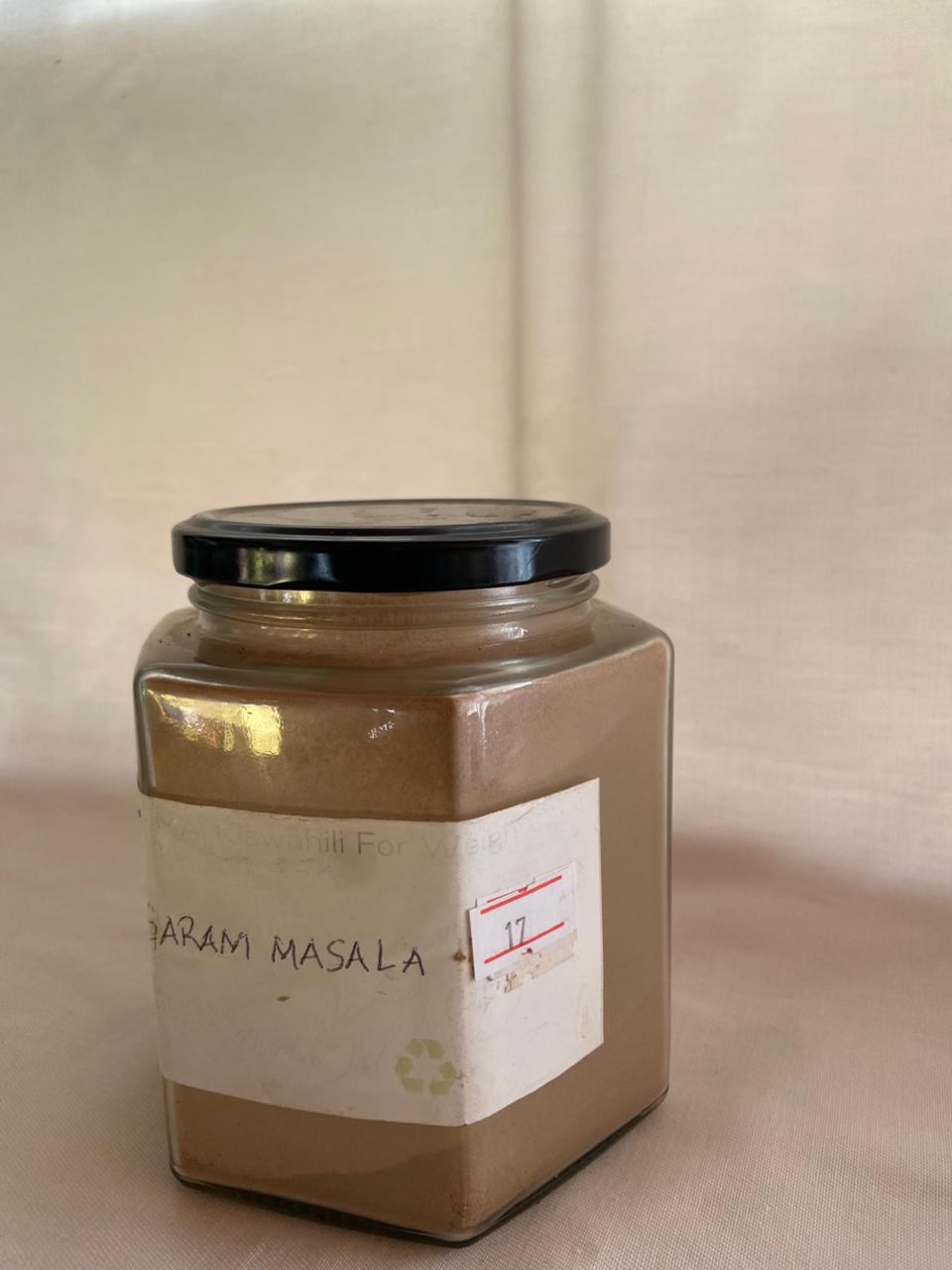
1,700 Fr
Garam masala is a fragrant Indian spice blend made from warming spices like cumin, coriander, cardamom, cinnamon, and cloves. It adds deep, aromatic flavor to curries, stews, and rice dishes, while supporting digestion and overall wellness.
Description
1. General Overview
Garam masala is a traditional aromatic spice blend originating from the Indian subcontinent. The name means “hot spice mix” in Hindi, referring not to spiciness, but to the warming effect it has on the body. Made by blending and often toasting whole spices, garam masala is an essential seasoning in South Asian cuisine, known for its deep, complex flavor and fragrant aroma.
2. Origin and Cultural Significance
-
Origin: Indian subcontinent
-
Common Regions of Use: India, Pakistan, Bangladesh, Nepal, Sri Lanka
-
Culinary Role: Typically added at the end of cooking or as a finishing touch to enhance aroma and flavor
-
Cultural Use: In Ayurveda, garam masala is believed to heat the body and stimulate digestion and metabolism
3. Typical Ingredients
While recipes vary by region and family, a standard garam masala includes a combination of:
-
Coriander seeds – earthy, citrusy base
-
Cumin seeds – nutty and warm
-
Cardamom (green and/or black) – sweet, floral aroma
-
Cinnamon – warm, sweet, and woody
-
Cloves – intense, spicy-sweet pungency
-
Black peppercorns – subtle heat and sharpness
-
Nutmeg or mace – sweet, slightly bitter depth
-
Bay leaves – mild herbal fragrance (optional)
-
Star anise or fennel seeds – for licorice-like notes (optional)
Note: Some blends may also include dried chilies, dried ginger, or fenugreek seeds.
4. Flavor and Aroma Profile
-
Taste: Warm, complex, slightly sweet, earthy, and aromatic
-
Aroma: Rich, spicy, and fragrant with a sweet-spicy balance
-
Texture: Fine powder or coarse grind, depending on preparation
5. Culinary Uses
Garam masala is incredibly versatile and used in a wide variety of dishes:
-
Curries: Enhances meat, vegetable, lentil, or paneer-based curries
-
Rice Dishes: Sprinkled into biryanis or pilafs
-
Soups & Stews: Adds depth to broths and gravies
-
Marinades: Mixed with yogurt or oil to season meats or tofu
-
Breads & Snacks: Added to doughs, chutneys, and even savory pastries
Typically added at the end of cooking to preserve its delicate aroma, or lightly toasted before blending for a richer flavor.
6. Health Benefits
Thanks to its blend of potent spices, garam masala offers multiple health-supportive properties:
-
Digestive Aid: Stimulates appetite and reduces gas and bloating
-
Anti-inflammatory: Ingredients like cloves and cinnamon help combat inflammation
-
Antioxidant-Rich: Fights free radicals and supports cellular health
-
Metabolism Boost: “Warming” effect in Ayurveda believed to support digestion and circulation
-
Antimicrobial: Clove, pepper, and cardamom have antimicrobial effects
7. Storage and Shelf Life
-
Storage: Keep in an airtight jar in a cool, dry, and dark place
-
Shelf Life: Best used within 6–12 months for optimal flavor and potency
8. Precautions
-
Potent Flavors: Use in moderation to avoid overpowering a dish
-
Allergens: Usually safe, but always check for cross-contamination in commercial blends
-
Pregnancy Use: Generally safe in culinary amounts; consult a healthcare professional for medicinal use
Additional information
| 100gr | Garam masala |
|---|


