
2,000 Fr
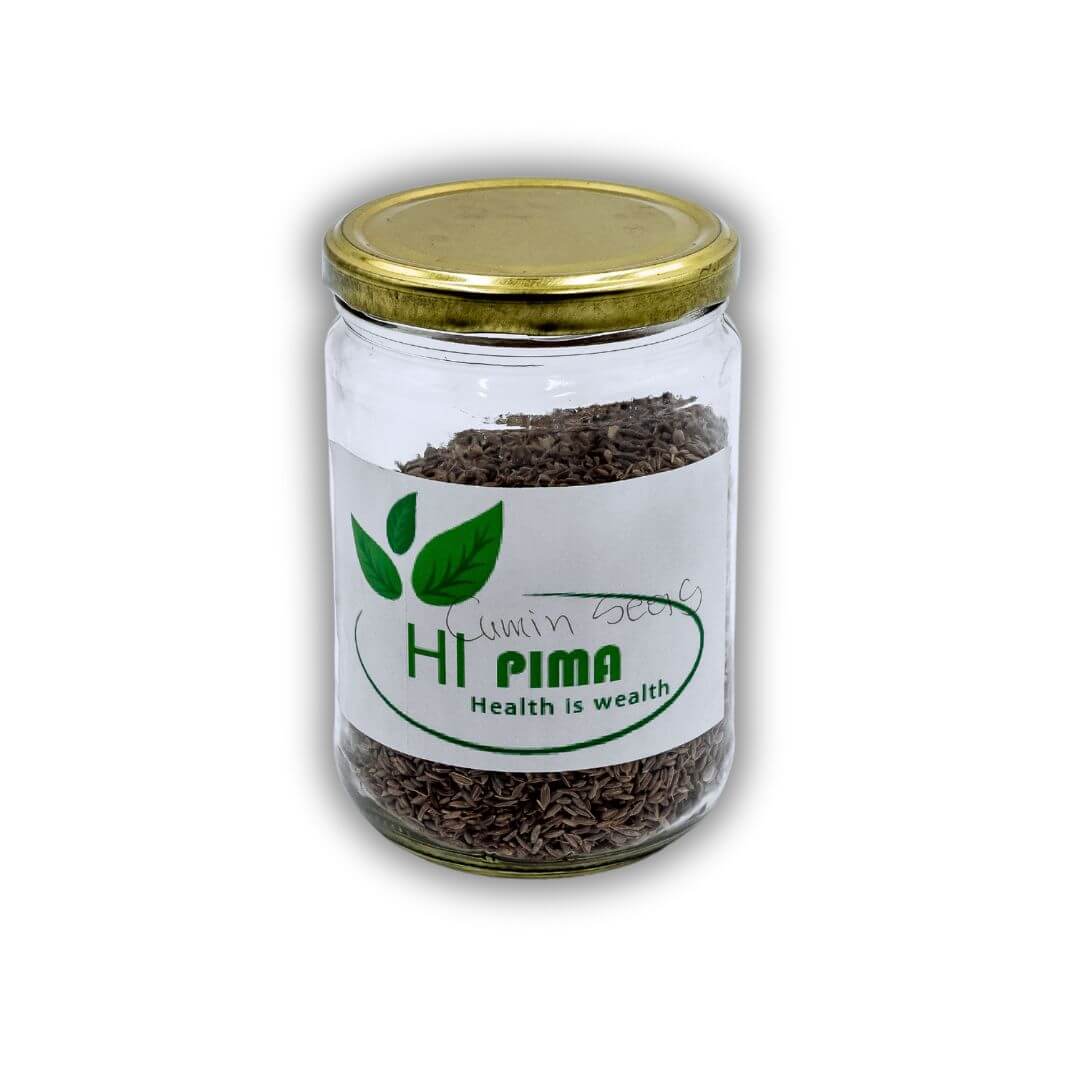
Cumin seeds are aromatic, earthy-flavored spices widely used in global cuisines. Known for aiding digestion and boosting flavor, they add warmth and depth to dishes like curries, stews, and rice.
Description
Common Name: Cumin Seed
Botanical Name: Cuminum cyminum
Family: Apiaceae (Umbelliferae)
Form: Whole dried seed
Type: Spice / Medicinal Herb
Origin: Native to the Eastern Mediterranean and South Asia; now widely cultivated in India, Iran, Turkey, and North Africa
General Overview:
Cumin seeds are aromatic, oblong seeds obtained from the dried fruits of the Cuminum cyminum plant. Highly valued in global cuisine and traditional medicine, cumin is known for its warm, earthy flavor and distinctive aroma. It is a cornerstone spice in Indian, Middle Eastern, Latin American, and North African cooking.
These seeds are not only flavor enhancers but also carry a range of health benefits, including digestive support, antioxidant properties, and immune-boosting compounds. Cumin can be used whole or ground, toasted or raw, depending on culinary needs.
Physical Characteristics:
-
Color: Light to dark brown with ridged texture
-
Shape: Small, elongated, and oval with pointed ends
-
Size: Typically 4–6 mm long
-
Aroma: Warm, nutty, pungent, slightly peppery
-
Flavor: Earthy, slightly bitter, spicy-sweet with citrus undertones
Culinary Uses:
-
Whole Seeds: Commonly toasted in oil to release aroma before adding to curries, rice, stews, or lentils
-
Ground Cumin: Used in spice blends like garam masala, curry powder, chili powder, berbere, ras el hanout, and taco seasoning
-
Flavor Base: Forms part of the aromatic base for soups, sauces, stir-fries, meat rubs, and pickles
-
Global Dishes:
-
Indian dals and curries
-
Middle Eastern falafel, hummus, and kebabs
-
Mexican salsas, beans, and chili
-
North African couscous and tagines
-
Health Benefits:
-
Aids Digestion: Stimulates enzyme production for better nutrient absorption
-
Rich in Antioxidants: Contains flavonoids and polyphenols that reduce oxidative stress
-
Anti-inflammatory Properties: Helps ease inflammation-related discomfort
-
Supports Immunity: Antibacterial and antimicrobial qualities
-
Weight Management: May help improve metabolism and reduce bloating
-
Blood Sugar Regulation: Some studies suggest it can help lower blood sugar levels
-
Iron Source: Naturally high in iron, beneficial for energy and red blood cell production
Note: These benefits are based on traditional use and emerging research; they do not substitute for professional medical advice.
Storage Tips:
-
Keep in a cool, dry place away from direct sunlight
-
Airtight container recommended to preserve aroma and potency
-
Shelf Life:
-
Whole seeds: Up to 1–2 years
-
Ground cumin: Best within 6–12 months
-
Sustainability & Sourcing:
-
Cumin is drought-tolerant and often grown in semi-arid climates, making it a resilient crop
-
Ethical Sourcing Matters: High-quality cumin is typically hand-harvested; look for fair-trade or organic certifications when available
Conclusion:
Cumin seed is a powerful and essential spice prized for its bold, warm flavor and health-enhancing properties. Whether used whole or ground, it adds depth to countless dishes and contributes to digestive wellness. A staple in traditional kitchens and modern pantries alike, cumin continues to be a timeless ingredient with global appeal.
Additional information
| 100gr | Cumin seed |
|---|


